Kim T.
Fantastic customer service. Kenneth was great. Very professional. Found problem within minutes and fixed. Would recommend for repairs and full roof replacement.
Aug 10, 2022Verified customer
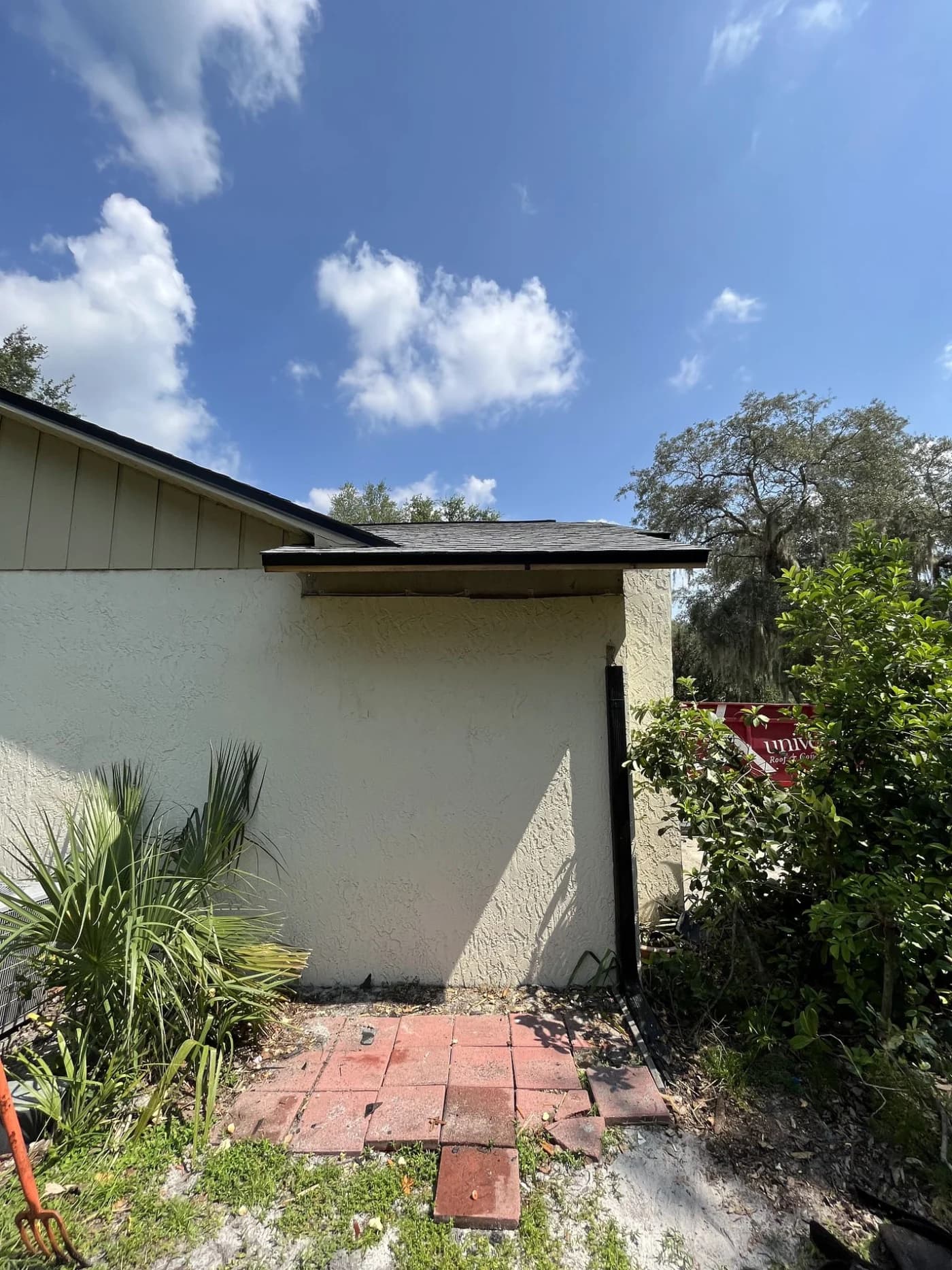
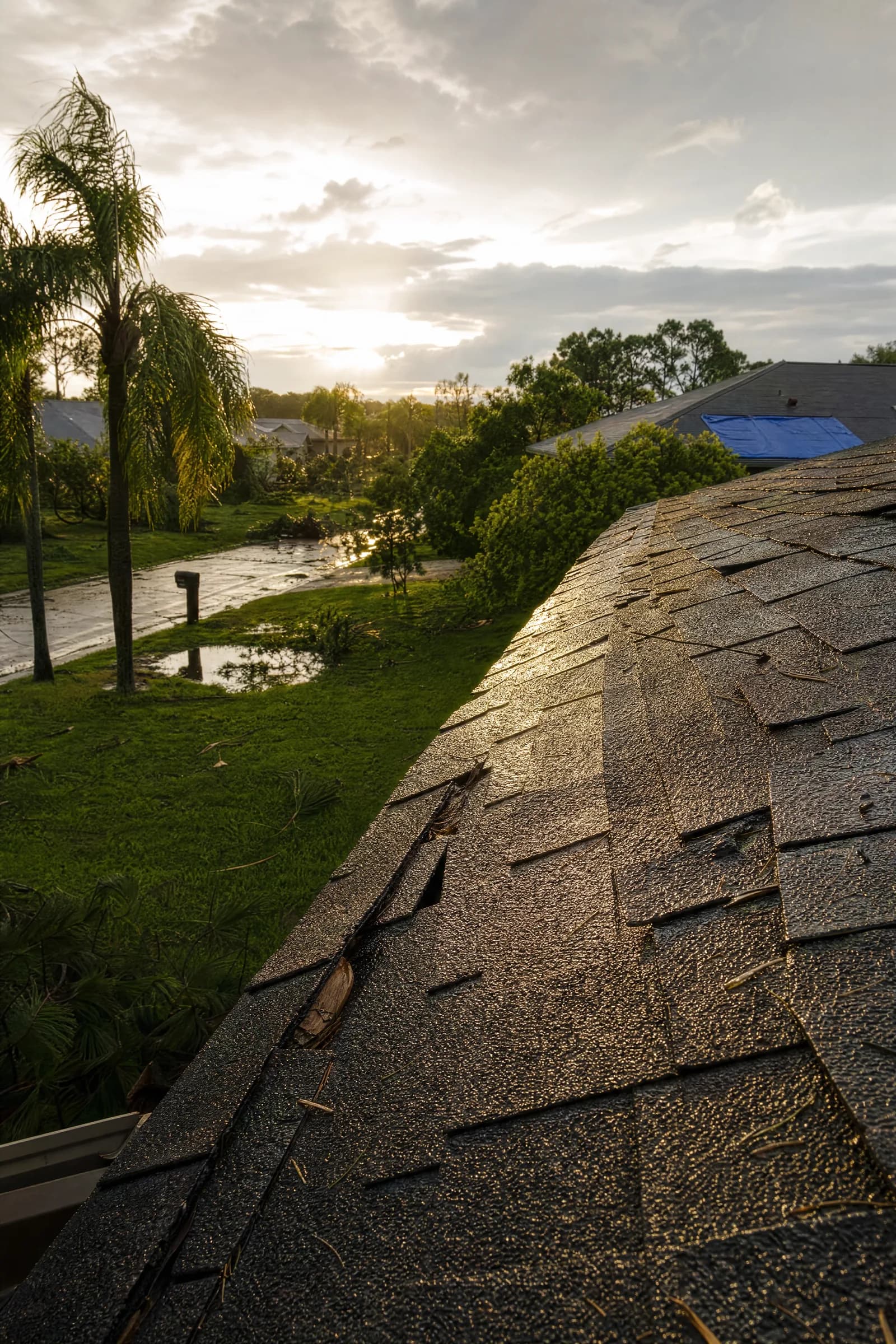
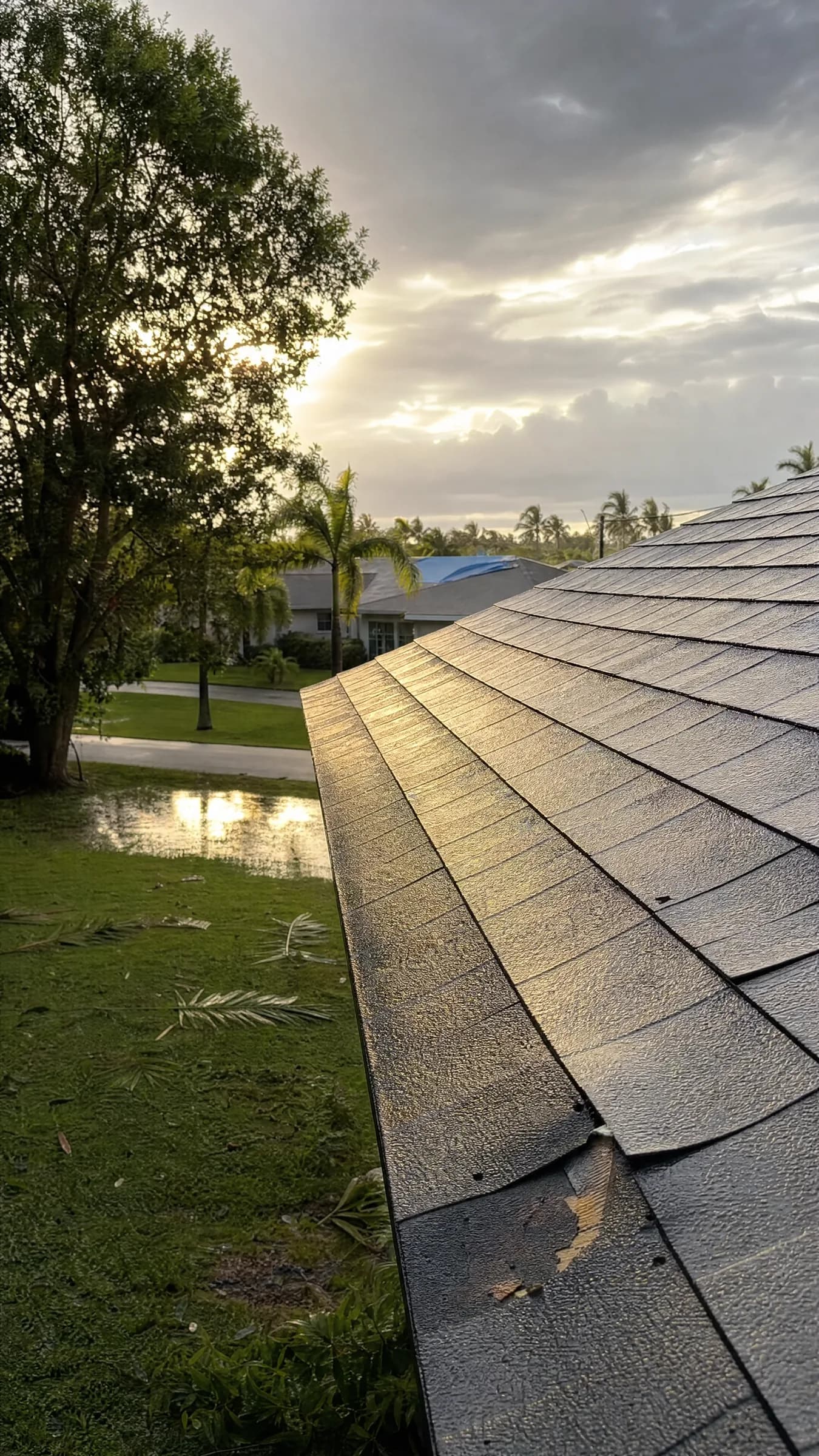
Northeast Florida's storm season peaks in September — the same month that is already one of the region's two wettest. Add salt off the Atlantic and a coastline running from Fernandina to St. Augustine, and the damage here behaves differently from the rest of the state.
What does your roof need? Pick one to start.
Get a Free Roof InspectionSchedule Free InspectionGet My Free InspectionBook Free InspectionNo obligation. We'll tell you if your roof doesn't need work.
Fantastic customer service. Kenneth was great. Very professional. Found problem within minutes and fixed. Would recommend for repairs and full roof replacement.
Jim and Tracy and their whole crew are exceptional. Roofing is one of those jobs that 99% of all consumers have no clue. One must trust what they are told. So many of the roofers are full of you know what and sell you more than you need. Universal is the opposite. They tell you what you need and even suggest options that save money. They tell you the pros and cons of each alternative. I could go on and on however suffice it to say that Universal is the best.
Having a re-roof is a stressful time but I knew to call Universal Roofing Inc from my previous experience with them from my old address. It's a step-by-step process (weather permitting) which Tracy (V.P.) walked me through. From customer service, explanation of roof products, to permits and completion was less stressful having an experienced company... and roof looks great! Thank you Universal Roofing Inc.
1 of 1
Jacksonville sits on the Atlantic side, and that changes both the storm and what it leaves behind.
September is the peak of the Atlantic hurricane season and one of Northeast Florida's two wettest months of the year. A roof that was merely tired through a 90-plus-degree summer is the one that fails in September, and it almost always fails at a detail — a boot, a valley, a chimney — rather than out in the open field of the roof.
The coastal strip changes the failure order entirely. From Atlantic Beach through Ponte Vedra to Fernandina, salt reaches fasteners and flashing long before it touches the roofing material. Storm wind drives that salt further inland and into places it does not normally reach, so hardware corrodes years ahead of the panels above it.
The result is that a coastal Jacksonville roof can pass a surface inspection while actively failing underneath. That is why our storm assessments here start at the hardware rather than the covering.
Sources: NOAA station data · National Weather Service Jacksonville
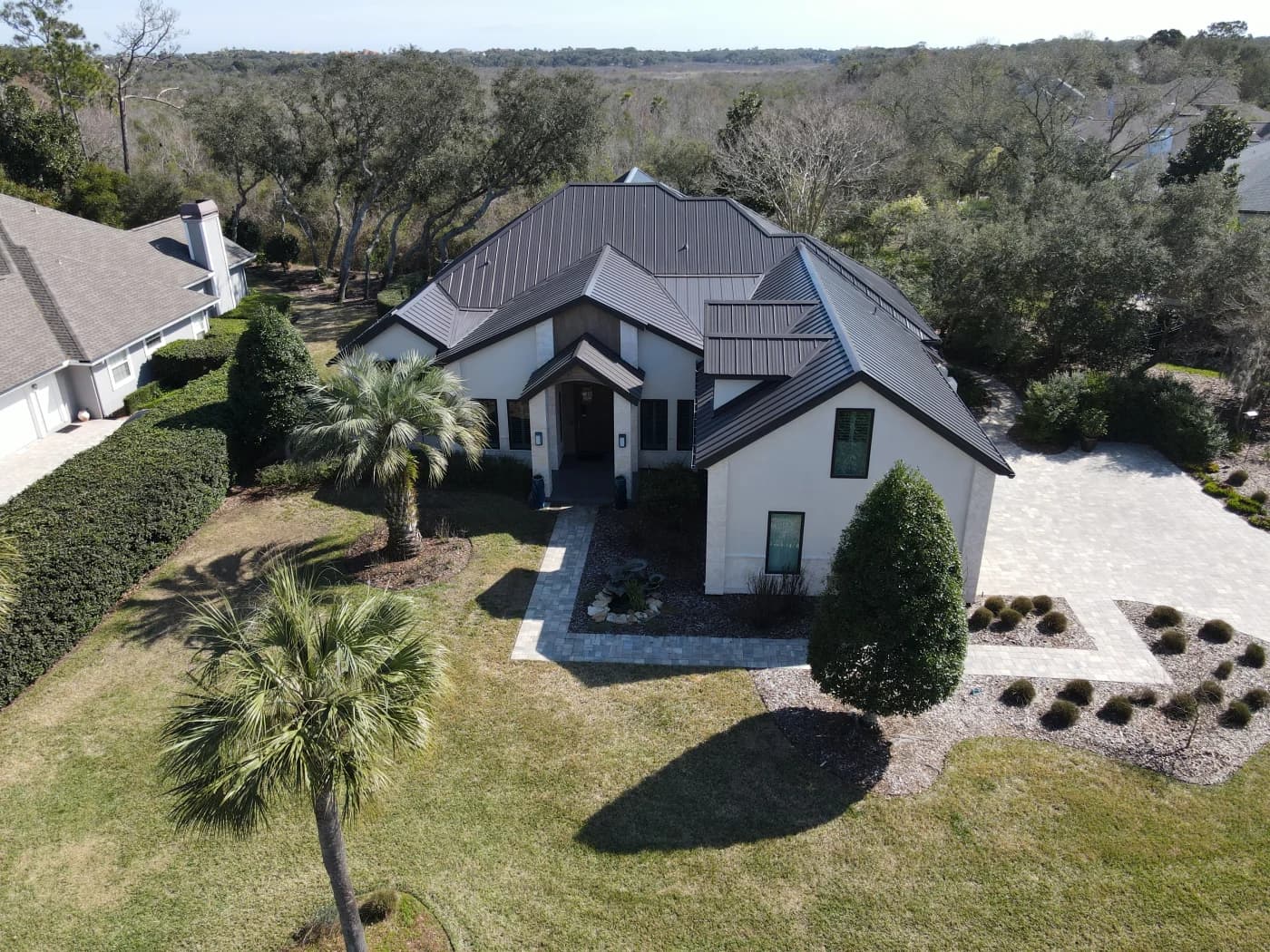
We have worked Northeast Florida roofs for more than 25 years, from the office on Philips Highway, running metal, stone-coated steel, Spanish tile, shingle and flat. That range matters after a storm, because the Beaches and St. Augustine have a very different roof mix from inland Duval.
When water is getting in we tarp the same day and return for the permanent repair once conditions allow. On coastal properties the assessment starts with fasteners and flashing rather than the covering — the failure order here is reversed, and inspecting it the usual way passes roofs that are already leaking.
Four things our crews write up most often after a storm in this metro — and how each one hides from a look from the driveway.
The rubber collar around plumbing vents is one of the most common sources of the storm leaks we get called to in Duval County. UV destroys it while the shingles around it still look new.
The tell: First ceiling stain of the autumn, usually near a bathroom or kitchen vent.
Storm-driven salt reaches screws, flashing and drip edge across the Beaches and up to Fernandina. Caught early it is a hardware swap; ignored it becomes a leak at every penetration.
The tell: Rust weeping at screw heads; staining running downhill from a fastener line.
Ocean-facing slopes take a beating that sheltered elevations never see. Damage is often confined to one plane of the roof, which is exactly why a partial inspection misses it.
The tell: Damage on one side of the house only; leaks that appear in onshore weather.
Humidity plus one small storm-opened entry point rots decking while the surface still looks fine. It is the reason the attic side matters as much as the roof side here.
The tell: Sheathing that looks darker in patches; musty attic air after rain.
Not every Jacksonville storm call is an emergency, and treating a non-urgent problem as one costs you money. The dividing line is simple: is water getting into the building right now, or is it going to before the roof can be repaired properly?
These still want looking at — quietly, properly, and soon. A free inspection tells you what the storm did without an emergency callout, and the written report is worth having while the storm date is recent.
Get a Free Roof InspectionSchedule Free InspectionGet My Free InspectionBook Free InspectionNot sure which side of that line you are on? Call and describe what you can see. We would rather talk you out of an emergency visit you do not need than sell you one — that conversation costs nothing either way.
Roof advice only — what protects the house and preserves the evidence. Anything about your policy belongs with your insurer.
After a storm the useful thing a roofer produces is a clear record of what the roof looks like now — dated, photographed and described. What you do with that record is entirely your call.
On the insurance side:we document the roof, and that is where a roofer's role properly ends. We can't file a claim for you. Questions about what your policy covers belong with your insurer or agent, and anyone representing you on the policy itself should be a licensed public adjuster.
The same streamlined process on every roof — from an accurate quote to an impeccable installation.
Book online or call — we arrive on time, ready to listen.
Your goals, your budget, and the right materials for you.
Photos, a written report, and a transparent quote that holds.
The install lands on your calendar, not ours. No surprises.
A trained crew, a clean yard, and a roof installation done right.
Across Duval, St. Johns, Clay, Nassau and Flagler counties, from our office at 9446 Philips Hwy Ste 7, Jacksonville, FL 32256.
Outside Northeast Florida? See storm damage repair across Florida.
We've worked Northeast Florida for more than 25 years from the office on Philips Highway, and the crews are based here. We triage active water first, tarp the same day where a permanent repair isn't safe yet, and return for the lasting fix once conditions allow.
The failure order is reversed. Inland, the roofing material usually goes first. On the coast — Atlantic Beach through Ponte Vedra to Fernandina — storm-driven salt attacks the hardware first, so screws, fasteners, flashing and drip edge corrode while the panels or shingles above still look perfectly sound. An assessment that only looks at the surface will pass a roof that is actively failing.
September is both the peak of the Atlantic hurricane season and one of Northeast Florida's two wettest months (about 7.6 inches, nearly tied with June). A roof that got through a 90-plus-degree summer with a small weakness at a boot, valley or chimney is exactly the roof that starts leaking when that much rain arrives at once.
Yes — Atlantic Beach, Jacksonville Beach, Ponte Vedra, Fernandina, St. Augustine, Orange Park and Palm Coast, across Duval, St. Johns, Clay, Nassau and Flagler counties.
Some are; many follow weather into Florida and leave when the work dries up, which is a problem when a warranty question surfaces later. Check for a Florida state licence, a local address you can visit, and a history in Northeast Florida that predates the storm. Universal has been here 25+ years — licences CCC057165 and CBC1258484.
It depends on how much roof needs covering and how safely it can be accessed. We quote before we start, and the inspection that determines what's needed is free. Tarping is a temporary measure to stop water entering — the permanent repair is scoped and quoted separately once the full extent is visible.
Same-day tarping to stop it, a free inspection to find the cause, and a written report either way.
Universal Roof & Contracting · 9446 Philips Hwy Ste 7, Jacksonville, FL 32256 · Florida licences CCC057165 and CBC1258484