
Listen to this guide
Narrated edition
Roof flashing is the thin metal that seals every joint, edge and penetration on a roof — chimneys, walls, valleys, vents and skylights — and it is a common source of leaks. Shingles and tile handle open surfaces. Flashing handles everywhere the roof stops being a simple plane, which is where water often gets in.
Where flashing lives
- Step flashing — layered pieces where a roof plane meets a vertical wall, woven in with each course
- Valley flashing — the channel where two roof planes meet and water concentrates
- Chimney flashing — usually base, step and counter flashing together, and one of the more failure-prone assemblies on a roof
- Vent and pipe boots — collars sealing plumbing and exhaust penetrations
- Drip edge — metal at eaves and rakes directing water into the gutter instead of behind it
- Skylight flashing — a kit specific to the unit, and not interchangeable
Why it fails, especially here
Sealant used as the seal
Flashing should work by geometry — overlapping layers that shed water by shape. Sealant is a supplement, not the mechanism. A flashing detail "fixed" with a bead of caulk is on a countdown, and Florida UV and heat make that countdown short.
Reused flashing on a new roof
One of the most common problems we find. A replacement that reuses tired flashing puts a twenty-year-old failure point under a brand-new roof. New roof, old leak.
Movement
Houses move, chimneys settle, metal expands and contracts through daily heat cycling. Over years that works fasteners loose and opens hairline gaps that only leak in wind-driven rain.
Corrosion
Near salt water, flashing and fasteners corrode fast; on the Jacksonville and Pinellas coasts they are often the first things to fail.
How to tell flashing is your problem
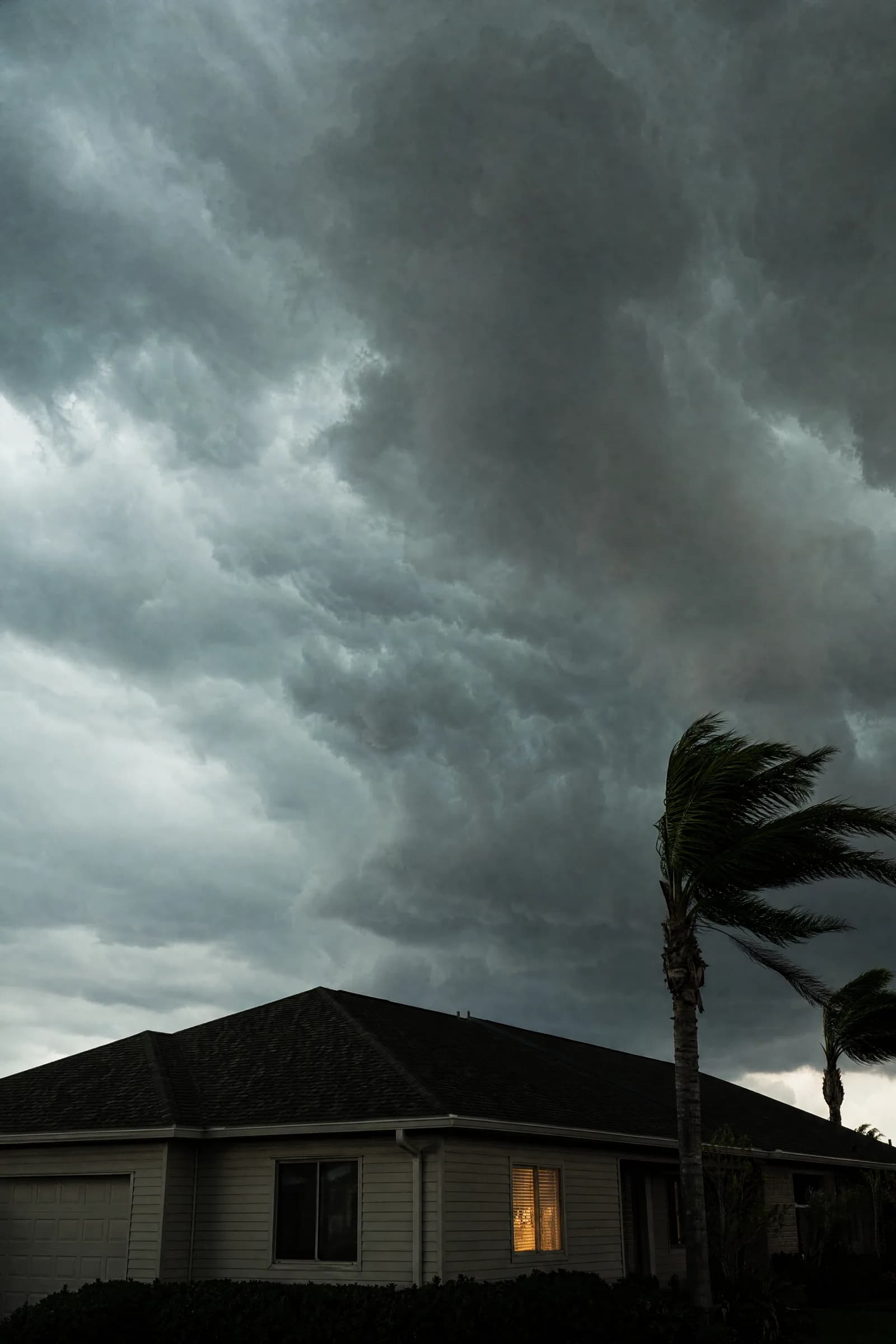
- Leaks that appear only in driving rain, not in ordinary showers
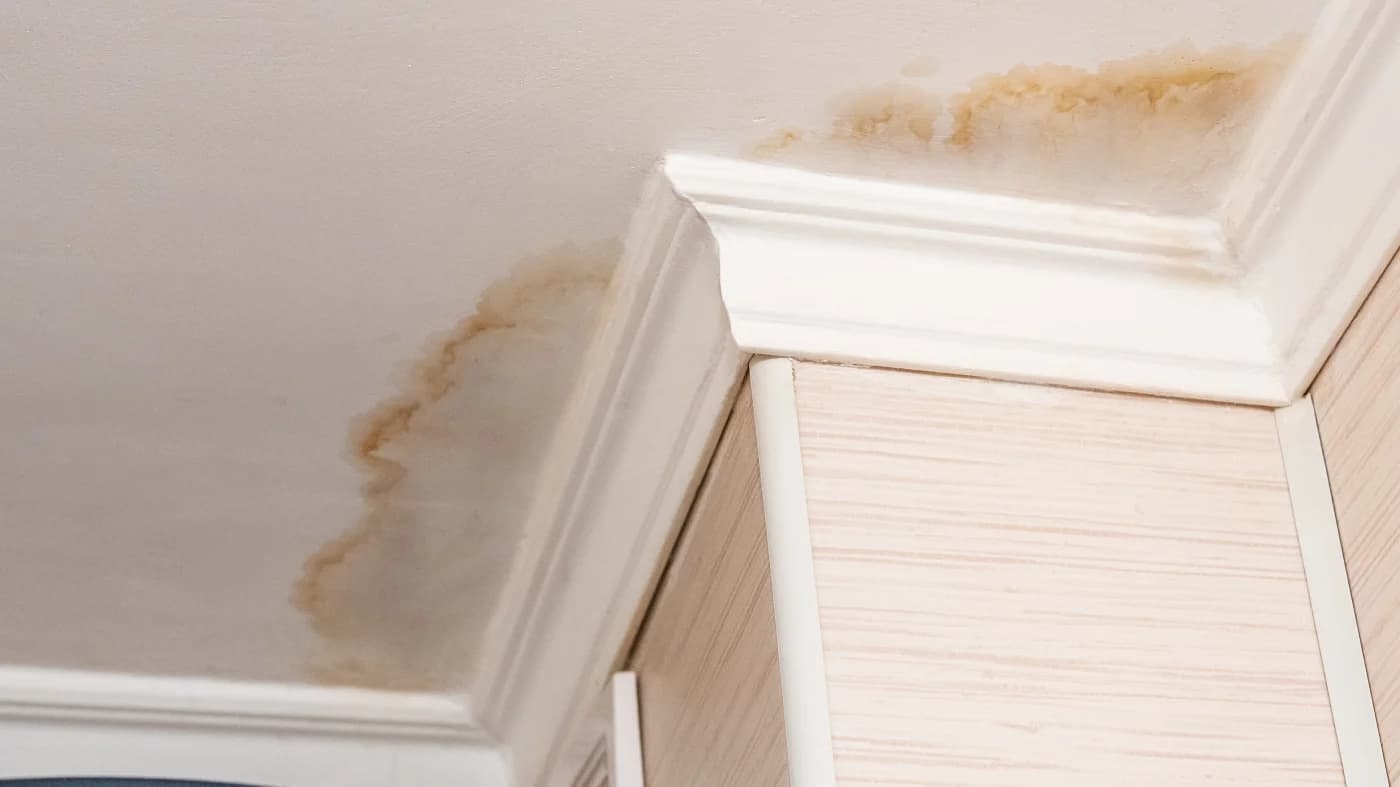
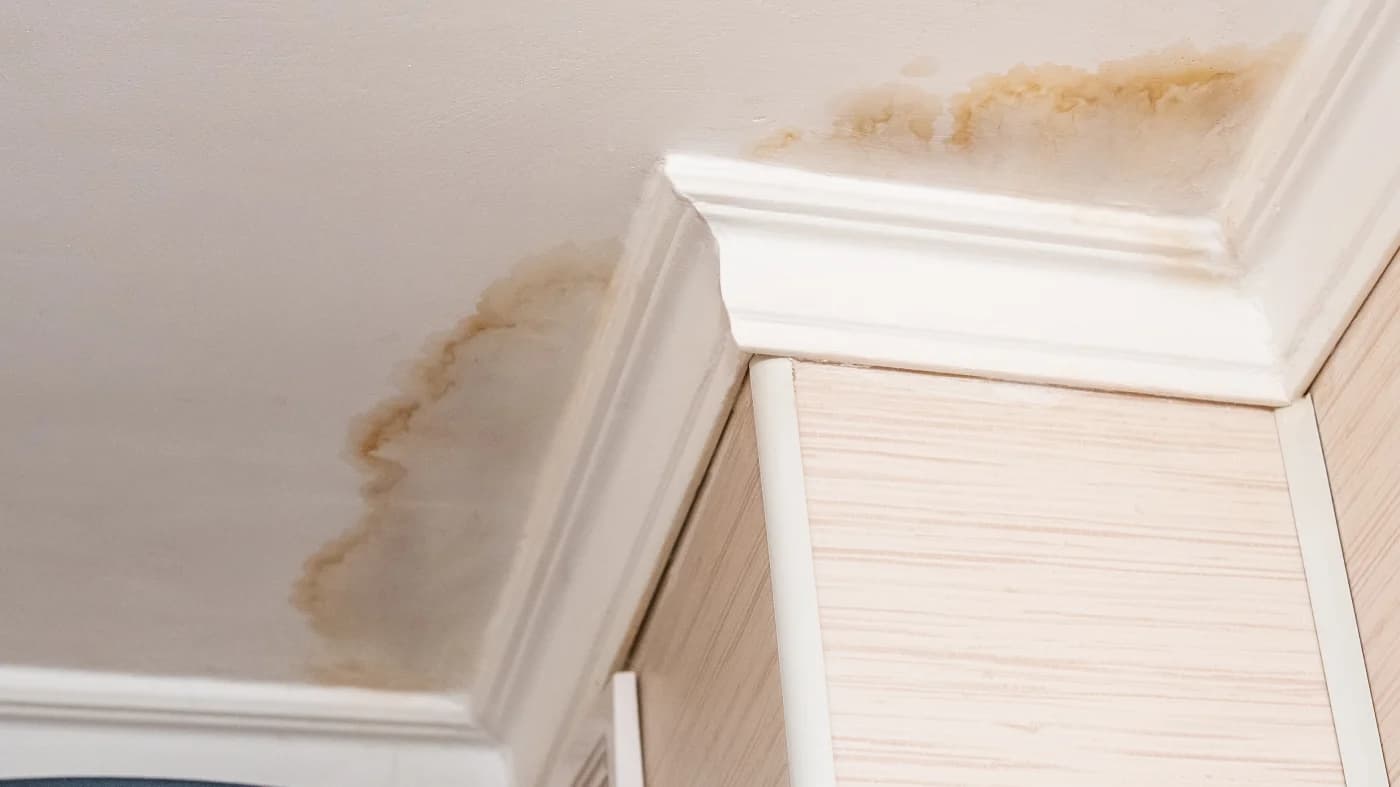
- Ceiling stains near a chimney, wall junction or skylight
- Rust streaks or visible sealant smeared over metal
- A roof that looks perfect from the ground and still leaks
Water travels along the deck before it drops, so the stain inside is often not under the entry point. Finding the real source is tracing, not guessing — which is why photographs from the roof matter more than opinions from the driveway.
Repair or replace the flashing
Isolated failures are targeted repairs. Widespread corrosion or a roof being replaced anyway means new flashing throughout — and on a replacement that should never be optional. If a quote does not say new flashing, ask, because "roof replacement" that reuses flashing is a smaller job wearing the same name.
More: roof repair · how to find a roof leak.

Universal Roof & Contracting
Florida roofing contractors since 1993
Three generations, family-owned, working Florida roofs from offices in Orlando, Tampa and Jacksonville. Everything here comes from what our crews actually find on roofs in this state — not from national roofing advice that assumes a milder climate.
Questions people ask
What is roof flashing?
Thin metal that seals the joints and penetrations on a roof — around chimneys, walls, valleys, vents and skylights. The covering handles open planes; flashing handles everywhere the roof stops being a simple surface, which is where leaks often begin.
Why does roof flashing leak?
Usually because sealant was used as the seal rather than as a supplement, because old flashing was reused under a new roof, because building movement and heat cycling opened gaps, or because salt air corroded it. Flashing should shed water by overlapping geometry, not by caulk.
How much does it cost to replace roof flashing?
It depends on which flashing and how much — a single vent boot is minor, a full chimney reflash is a real job, and roof-wide replacement is normally done as part of a re-roof. An inspection with photographs will tell you which situation you are in.
Should flashing be replaced with a new roof?
Yes. Reusing old flashing under a new roof is one of the most common causes of a brand-new roof leaking. If a replacement quote does not specify new flashing, ask why before you sign.
How do I know if my leak is a flashing leak?
Flashing leaks tend to appear in wind-driven rain rather than ordinary showers, and the interior stain is often near a chimney, wall junction or skylight. But water travels along the deck before it drops, so tracing it properly takes getting on the roof.
What is step flashing?
Layered individual pieces installed where a roof plane meets a vertical wall, woven in with each course of roofing so each piece overlaps the one below. The Florida code allows step flashing or continuous L flashing at a sidewall, and either has to be installed so water sheds over it.