Listen to this guide
Narrated edition
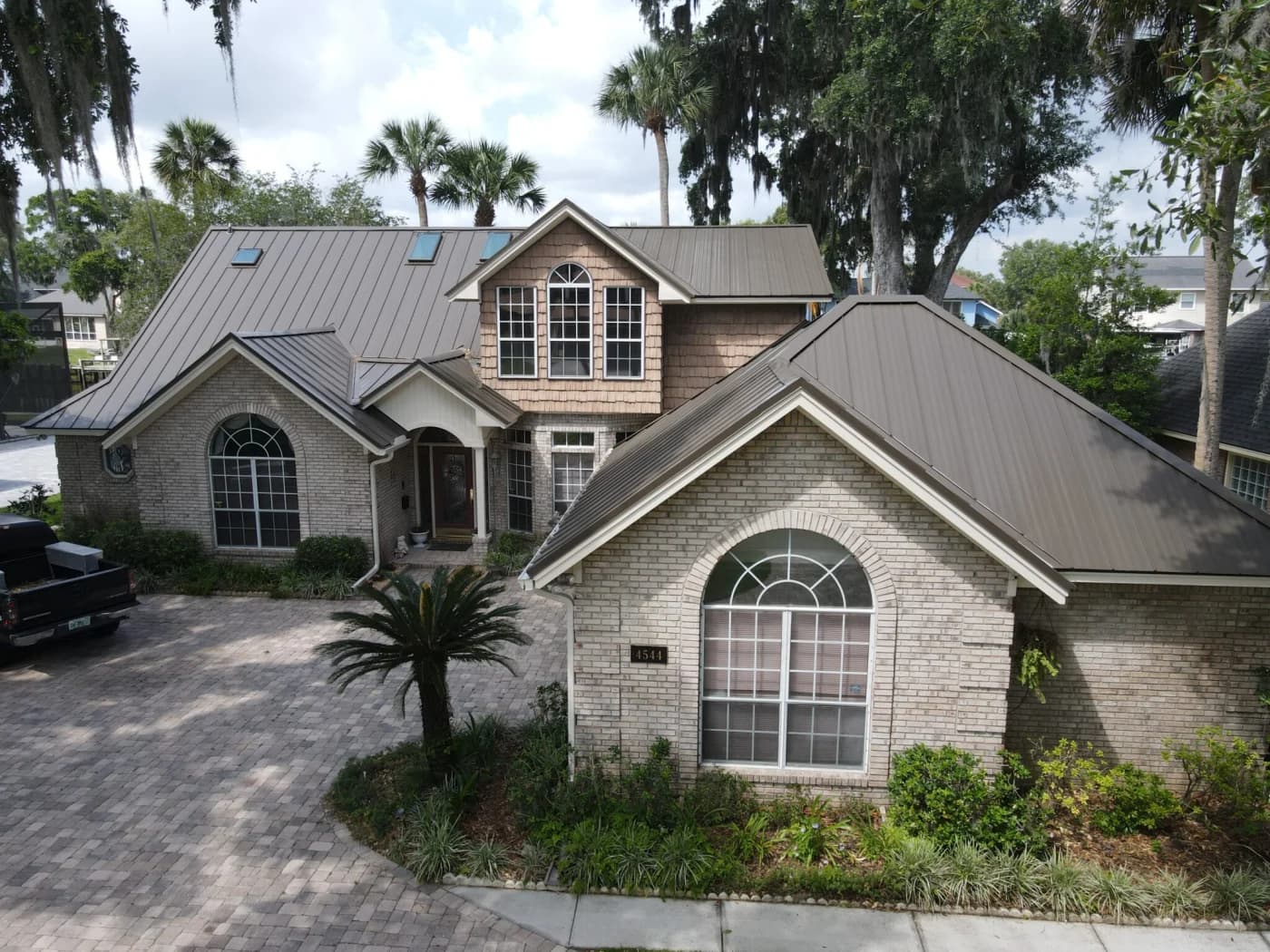
A metal roof has an average useful life of about 50 years in HUD's planning tables, against 20 for asphalt shingle. But within 3,000 feet of salt water, where FEMA recommends stainless steel fasteners and connectors because of corrosion, the fasteners and flashing are the parts to watch. Lifespan on metal is really two questions wearing one number.
What sets the range
- Panel metal. Aluminum does not rust and is the usual choice on the coast. Steel with a quality metallic coating performs well inland. Copper is the premium option and is priced accordingly.
- Coating. The finish is doing the UV and corrosion work. A premium coating holds colour and integrity far longer than an economy one, and the difference shows up as chalking and fade long before it shows up as failure.
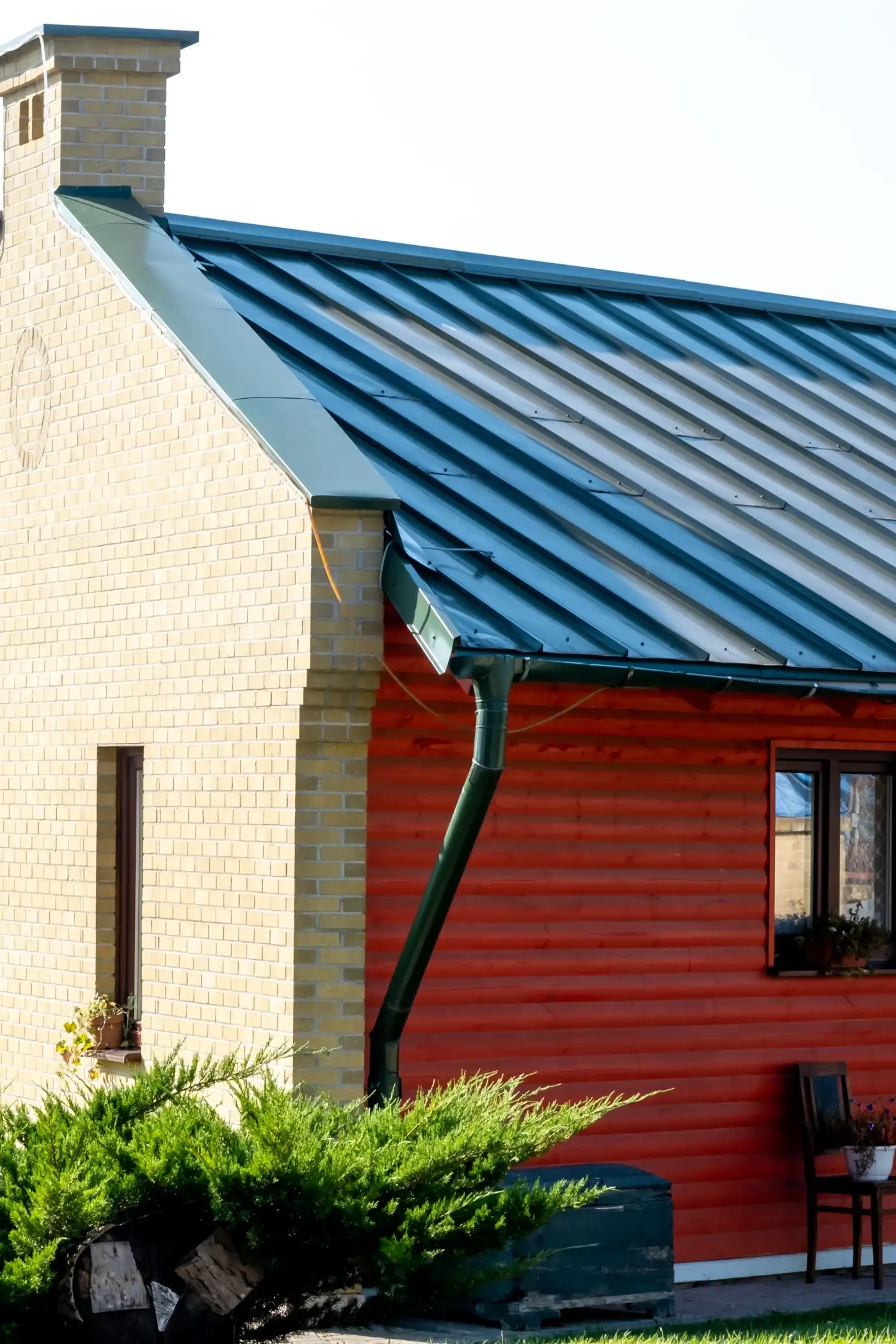
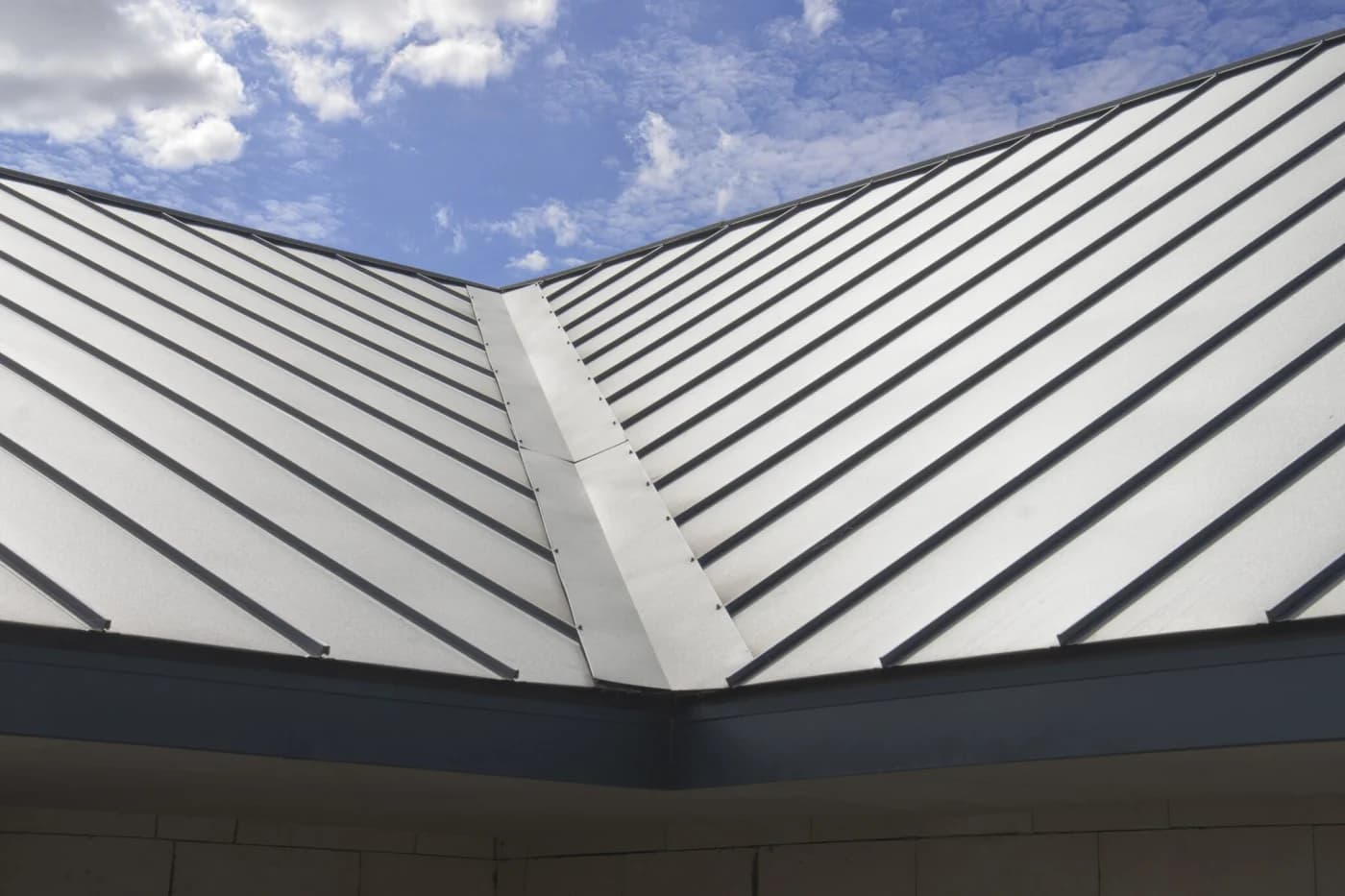
- Panel profile. Standing seam hides its fasteners under the seam. Exposed-fastener panels put hundreds of gasketed penetrations on the roof, and those gaskets are the maintenance item.
- Distance from salt. The single biggest coastal variable, and the one nobody can change after the fact.
Why fasteners fail first near the coast
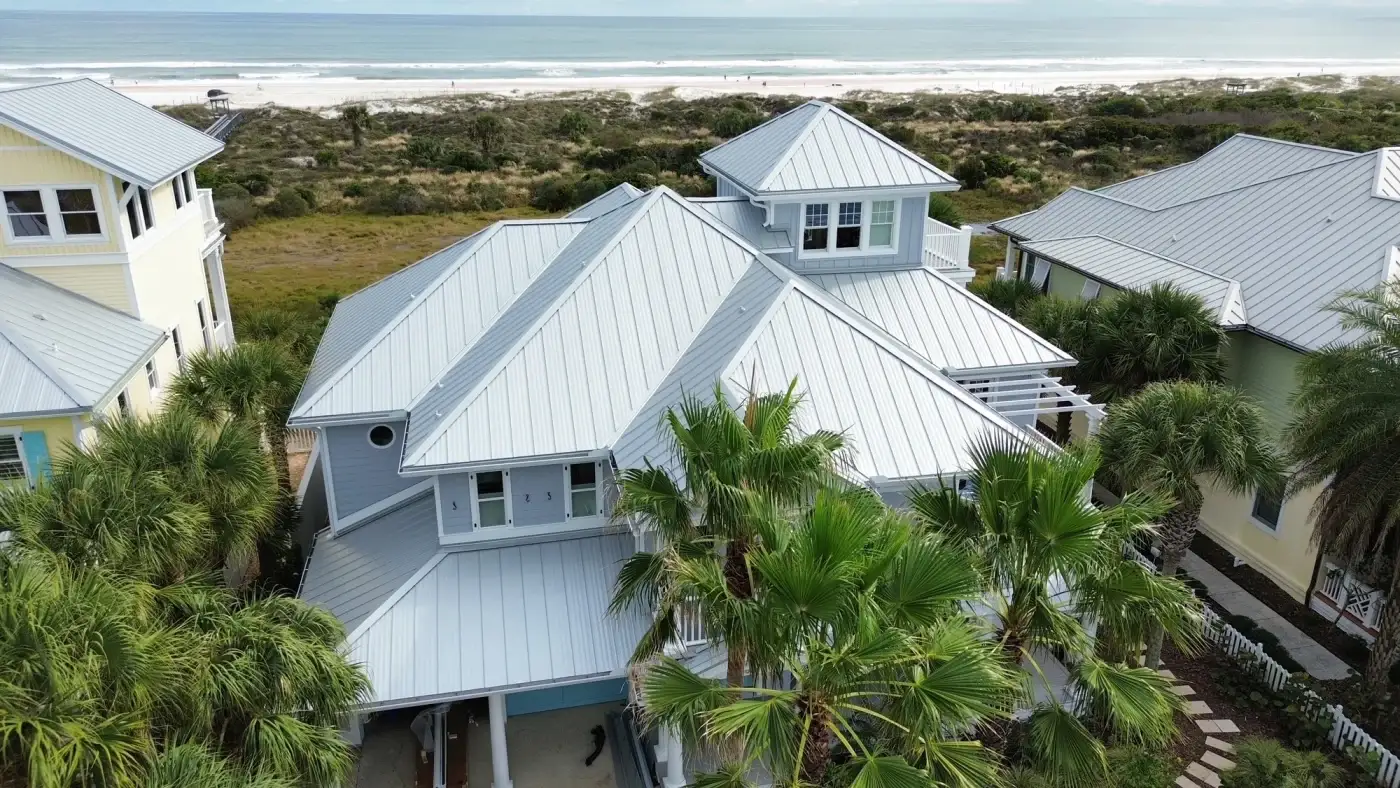
Salt air goes after small exposed metal parts first, and FEMA warns that coastal environments are conducive to rapid corrosion of metals. On an exposed-fastener roof that means gaskets hardening and screws weeping rust streaks long before the panels themselves are aged. On standing seam the fasteners are concealed, which is precisely why it is the system we specify near the water.
Flashing follows the same rule. The panel field can be immaculate while the valley and penetration details are the reason the roof is leaking.
What maintenance actually looks like
Metal is low-maintenance, not no-maintenance. Where practical and safe, rinse salt off coastal roofs, keep valleys clear, and have penetrations and flashing inspected every few years. On exposed-fastener systems, budget for a periodic gasket and fastener check.
The rest of the ledger
Reflective coatings and cool-roof pigments can cut cooling costs meaningfully under Florida sun. Professionally installed metal roof systems carry tested wind ratings; ask for the system's Florida Product Approval and the wind rating for your address. And Florida law requires insurers to offer premium credits for documented wind-resistant features — a wind mitigation inspection is how those get recorded.
More on the system: metal roofing in Florida, and our exclusive Metlok interlocking system.

Universal Roof & Contracting
Florida roofing contractors since 1993
Three generations, family-owned, working Florida roofs from offices in Orlando, Tampa and Jacksonville. Everything here comes from what our crews actually find on roofs in this state — not from national roofing advice that assumes a milder climate.
Questions people ask
How long does a metal roof last in Florida?
HUD's planning tables give a metal roof an average useful life of about 50 years, against 20 for asphalt shingle. Near salt water, fasteners and flashing are the parts to watch, which is why standing seam with concealed fasteners is the coastal recommendation.
Do metal roofs rust in Florida?
Quality coated panels resist it for decades. The parts that corrode first near the coast are small exposed metal components — fasteners, gaskets and some flashing details. Aluminum panels, which do not rust, and concealed-fastener systems reduce the problem.
Are metal roofs noisy in the rain?
Not when installed correctly. With proper decking, underlayment and insulation, standard on our installs, rain on a metal roof is not the drumming many people expect.
Is a metal roof worth it in Florida?
If you are staying in the house, usually yes: about 50 years of average useful life in HUD's planning tables against 20 for asphalt shingle, tested wind ratings, and real cooling savings with a light-colored, reflective finish. If you are selling within a few years, shingle may make more financial sense.
What maintenance does a metal roof need?
Keep valleys clear, rinse salt off coastal roofs where practical and safe, and have flashing and penetrations inspected every few years. Exposed-fastener systems need periodic gasket and fastener checks.
Which metal roof is best for coastal Florida?
Standing seam in aluminum, with a premium coating. Concealed fasteners remove the most corrosion-prone parts from the exposed surface, and aluminum does not rust.