
Listen to this guide
Narrated edition
Gutters that overflow in ordinary Florida storms usually have one of four problems: debris, insufficient capacity for our rainfall intensity, wrong pitch, or too few downspouts. Only the first is fixed by cleaning, which is why so many homeowners clean them and watch it happen again the next week.
1. Debris
The obvious one, and genuinely common in a state where nothing goes dormant. Leaves, needles and granules build up year-round rather than in one autumn burst. If overflow follows a visible clog and stops after cleaning, this was it.
2. Capacity — the one people miss
What overwhelms gutters here is how fast the rain comes. NOAA estimates a storm that drops about 1.6 inches in 30 minutes or 2.2 inches in an hour hits Orlando about every two years. A 5-inch gutter on a large or steep roof can be overwhelmed by that.
Roof pitch matters here more than homeowners expect: a steep roof accelerates water, and it arrives at the gutter with momentum that can carry it straight over the front lip regardless of capacity.
3. Pitch
Gutters need a slight, consistent fall toward the downspouts. Too little and water sits and spills; too much and it outruns the outlet. Sagging from age, poor hangers or fascia rot changes pitch quietly over years — you notice the overflow long before you notice the sag.
4. Not enough downspouts
A gutter is only as good as its exits. Long runs with a single downspout overflow at the far end no matter how clean or well-pitched. This is one of the most common findings on Florida homes with a builder-grade gutter package.
How to tell which one you have
- Overflows at one spot, mid-run: usually a clog or a sag at that point
- Overflows along the whole front edge in heavy rain: capacity or roof pitch
- Overflows at the far end from the downspout: not enough downspouts, or wrong pitch
- Water behind the gutter, against the fascia: drip edge or flashing problem — the most damaging version, because the water is going into the roof edge rather than over it
Why it matters more here
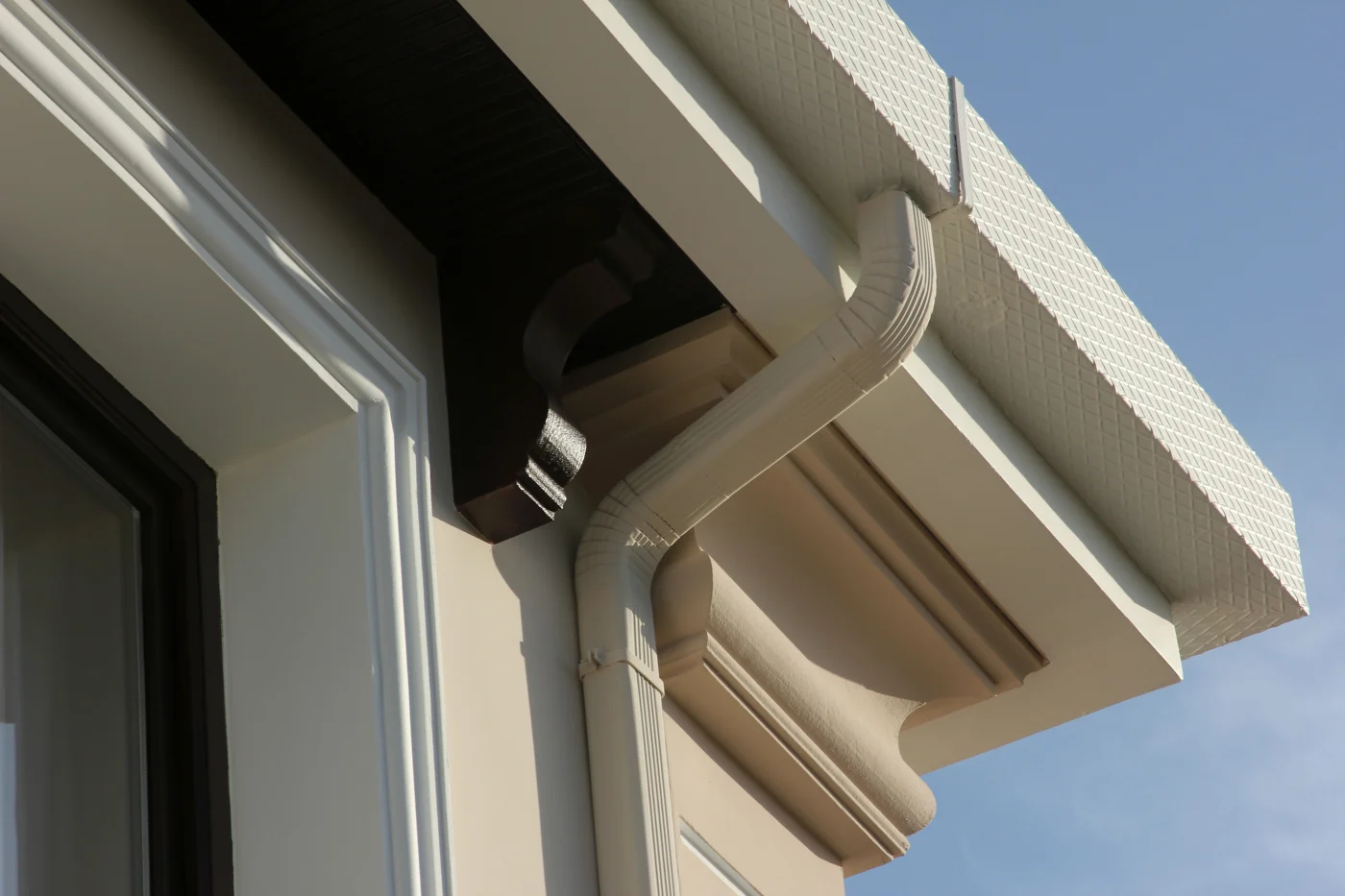
Overflowing gutters send water against fascia and soffit, the roof edge, which FEMA notes is more exposed to wind-driven rain than the rest of the roof. Persistent overflow rots fascia, saturates soffit, invites pests into the attic, and eventually reaches the decking. The gutter is a cheap component protecting expensive ones.
What we specify
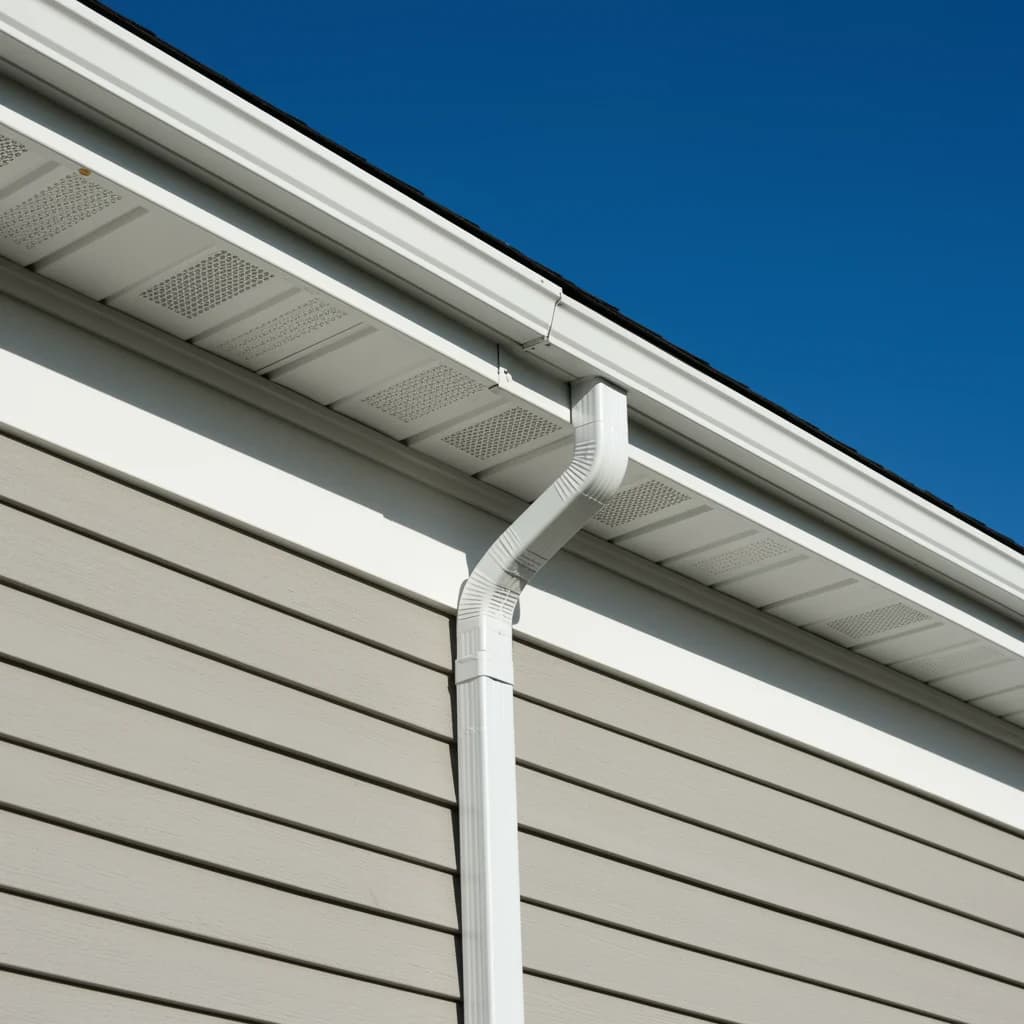
Seamless aluminium, sized to the roof rather than to a catalogue default, with enough downspouts for the run length and correct pitch throughout. Seamless matters in this climate because joints are where sectional gutters leak, and seamless gutters have far fewer of them.
Related: soffit, fascia and gutters.

Universal Roof & Contracting
Florida roofing contractors since 1993
Three generations, family-owned, working Florida roofs from offices in Orlando, Tampa and Jacksonville. Everything here comes from what our crews actually find on roofs in this state — not from national roofing advice that assumes a milder climate.
Questions people ask
Why do my gutters overflow even after cleaning?
Because debris is only one of four causes. The others are insufficient capacity for heavy Florida downpours, incorrect pitch, and too few downspouts — none of which cleaning addresses.
What size gutters do I need in Florida?
It depends on roof area, pitch and rainfall intensity rather than a standard default. Large or steep Florida roofs may need 6-inch gutters and additional downspouts.
Are seamless gutters better?
In this climate, yes. Sectional gutters leak at their joints, and seamless aluminum has far fewer joints to leak.
Can overflowing gutters damage my roof?
Yes. It can rot fascia, saturate soffit, let pests in, and eventually let water reach the decking.
How many downspouts do I need?
More than most builder packages include. A long run with a single downspout will overflow at the far end regardless of how clean or well-pitched it is. Run length and roof area determine the number.
Water runs behind my gutter — what does that mean?
Usually a drip edge or flashing problem rather than a gutter problem, and it is the more damaging version because water is entering the roof edge instead of spilling over the front. Worth having looked at promptly.